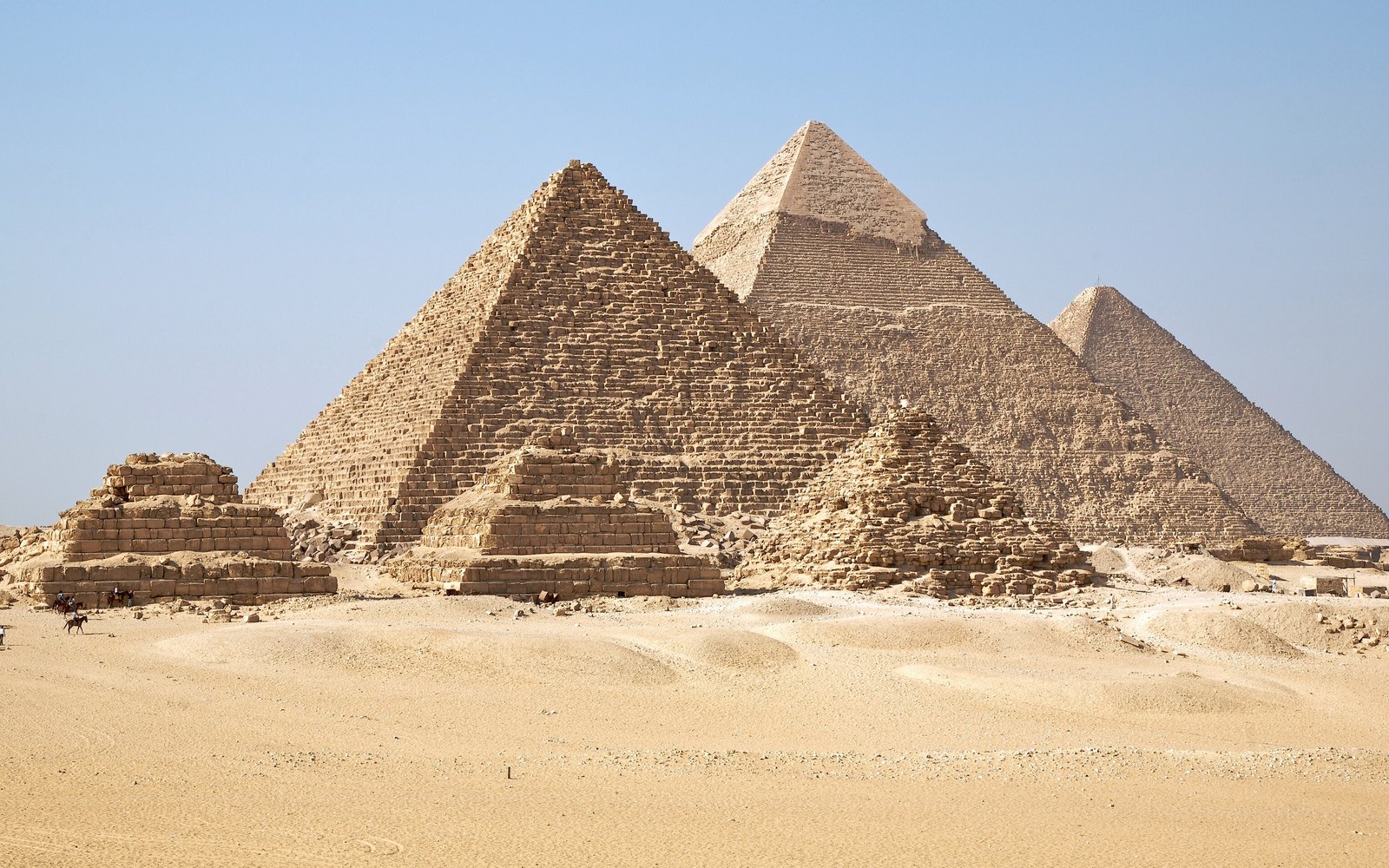
Photo of the Giza pyramids across the desert: Menkaure and its small queens' pyramids in front, Khafre and Khufu behind
Photo: Ricardo Liberato, CC BY-SA 2.0, via Wikimedia Commons (cropped)
The human story, dug up one layer at a time

How did we go from hunters to kings?

Real archaeology, told like a mystery. New discoveries, ancient texts and viral claims, each checked against the evidence and linked to its source.

The big picture

Monuments came 5,500 years before the first cities

c. 2000 BCEEmpires and law codesUr-Namma, Hammurabi, Shang China
c. 3300 BCEWriting and citiesUruk, the first pharaohs, Caral in Peru
c. 7000 BCEThe first townsÇatalhöyük, the dead under the floor
c. 9000 BCEThe first farmersWheat, barley, sheep and goats
c. 9600 BCEThe first monumentsGöbekli Tepe, built by foragers

Read it like a dig: the deepest layer is the oldest.

Latest stories

Six stories to start with

Photo of the Giza pyramids across the desert: Menkaure and its small queens' pyramids in front, Khafre and Khufu behind

Photo: Ricardo Liberato, CC BY-SA 2.0, via Wikimedia Commons (cropped)

Myth vs. EvidenceGiza, EgyptUpdated Nov 2026

A city 648 metres under the pyramid?

In March 2025, a press conference in Italy set the internet on fire. Radar engineer Filippo Biondi, working with Corrado Malanga and Armando Mei, said satellite scans had revealed a vast hidden world beneath the Pyramid of Khafre, the second-largest pyramid at Giza.

8cylindrical shafts claimed
648 mclaimed depth below the pyramid
0on-site tests so far

The claim

Using a method called SAR Doppler tomography, the team says satellite radar can read tiny vibrations in the ground and turn them into a 3D picture. Their images showed shafts with spiral paths around them and two enormous cube-shaped chambers far below the surface.

The evidence

Egypt's former antiquities chief Zahi Hawass said there is "no scientific evidence" for the structures and that the team had no permit to work at the pyramid. Radar specialist Lawrence Conyers of the University of Denver said satellite radar can only measure what it can directly see, and that the vibrations involved would be far too small to detect from orbit.

Then, in August 2026, the journal Remote Sensing retracted Biondi and Malanga's 2022 paper, which used the same technique on the Great Pyramid. The journal cited "serious methodological flaws and statistical errors". It did not accuse them of misconduct, and the authors disagree with the decision.

Our verdict: unproven

On 22 August 2026 the team applied to Egypt for permission to test its claims on site. A borehole or ground radar survey would settle it. Until then, the hidden city stays a hypothesis. We'll keep following it.

Back to stories

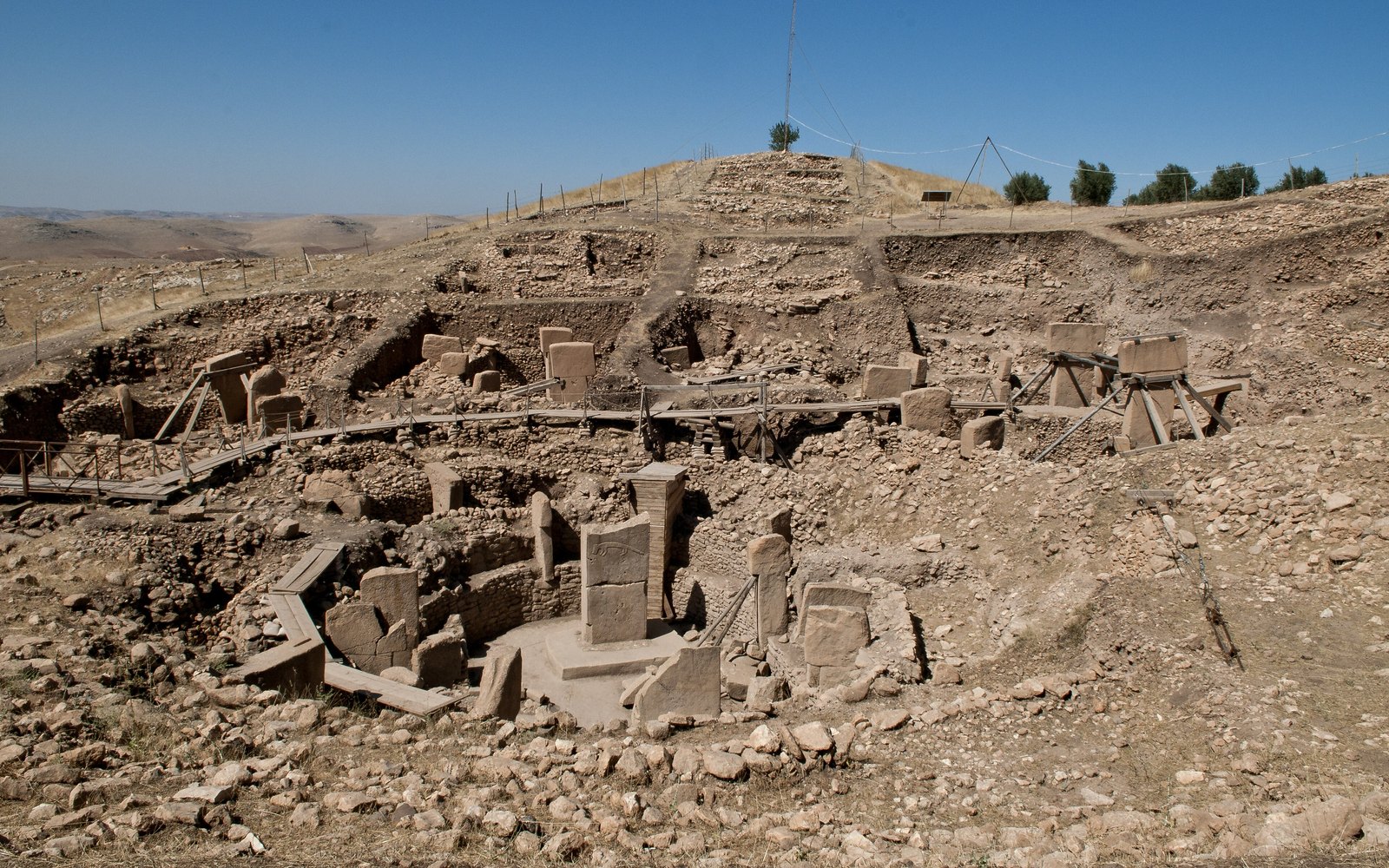
Photo of the excavated stone enclosures at Göbekli Tepe, with T-shaped pillars set in curved stone walls

Photo: Teomancimit, CC BY-SA 3.0, via Wikimedia Commons (cropped)

Dig of the WeekGöbekli Tepe, Turkey9600–8200 BCE

Göbekli Tepe was more than a temple

Imagine people who had never planted a seed, never kept a sheep and never fired a pot. Around 11,600 years ago, in what is now south-east Turkey, those people carved pillars over five metres tall, decorated them with foxes, snakes and vultures, and set them in great stone circles.

6,000years older than Stonehenge
5 m+tallest pillars
12related sites in the "Stone Hills"

For years it was called the world's first temple: a place where wandering hunters met for feasts and ceremonies, then went home. That idea is now changing.

What's new

In September 2026, a team led by Julia Gresky of the German Archaeological Institute published intact burials from the site, dated around 8700–8000 BCE. At nearby Karahan Tepe, public buildings stand among ordinary houses, and later layers contain cultivated grain and early bread. Its newest finds include the first human face carved on a T-pillar.

Why it matters

The textbook order was farming first, then villages, then temples. Göbekli Tepe suggests the need to feed crowds of builders may have pushed people towards farming in the first place.

Sources

Back to stories

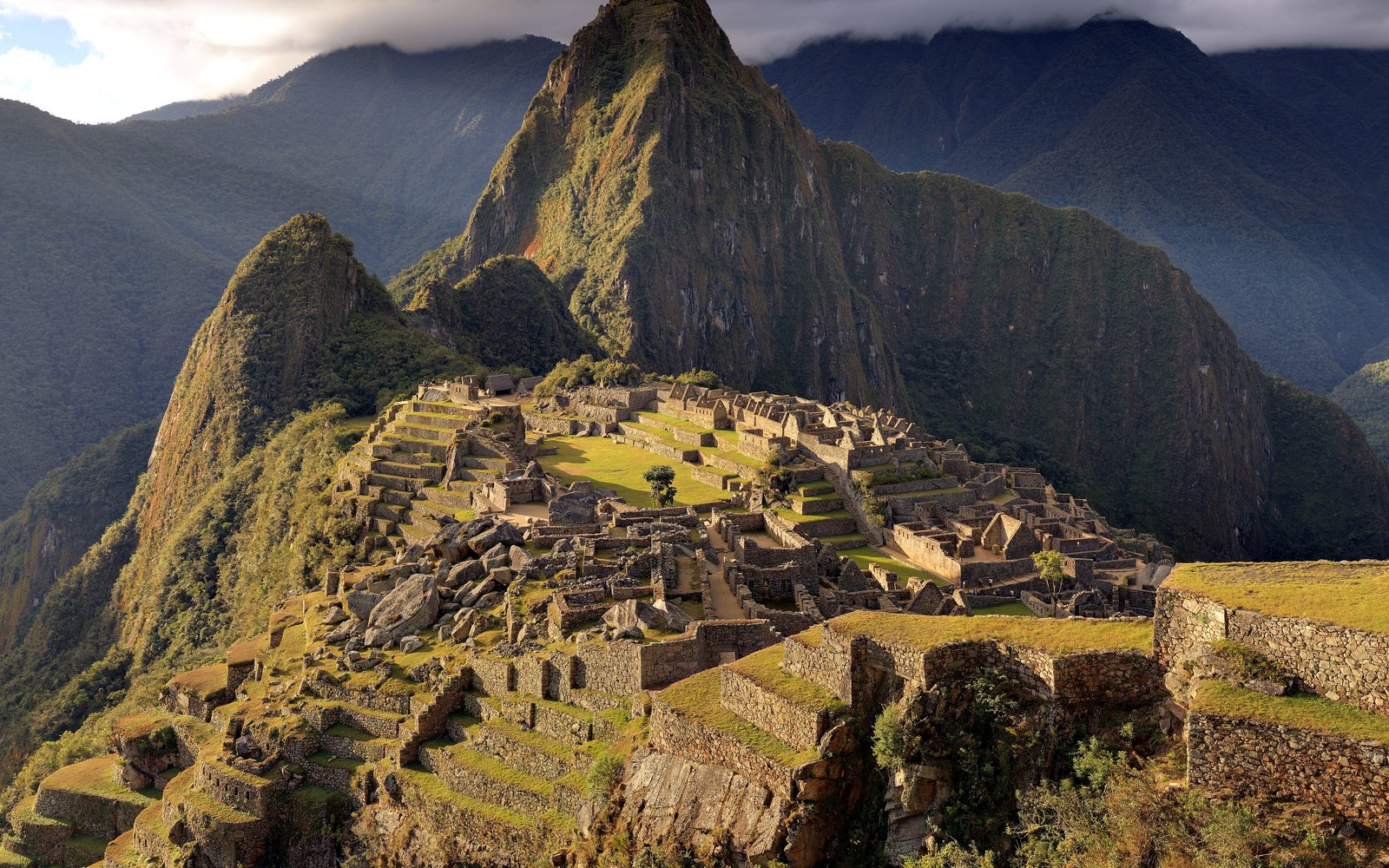
Photo of Machu Picchu: terraces and stone buildings on the ridge, with the peak of Huayna Picchu behind under clouds

Photo: Martin St-Amant (S23678), CC BY-SA 3.0, via Wikimedia Commons (cropped)

New FindMachu Picchu, PeruOctober 2026

Lasers found hidden roads at Machu Picchu

Machu Picchu is one of the most visited ruins on Earth, so you'd think there was nothing left to find. In October 2026, a Polish–Peruvian team proved otherwise.

2.5 kmof unrecorded paths found
lidarlaser scanner flown on a drone
2×more still hidden, the team thinks

Led by Bartłomiej Ćmielewski (Wrocław University of Science and Technology) and Mariusz Ziółkowski (University of Warsaw), the team flew a laser scanner over Mount Yanantin, opposite the citadel. The lasers pass between the leaves and map the ground below. Then the archaeologists cut through the forest with machetes to check what the scans showed: zigzag roads, terraces, platforms and round structures.

And the "melted stone" myth?

Viral videos claim Machu Picchu's perfect walls were cut with lost technology. The evidence says otherwise: the Inca shaped granite with harder hammerstones and fitted each block by trial and error. Half-worked blocks still lie in the quarry on site, and the tight joints help the walls ride out earthquakes.

Back to stories

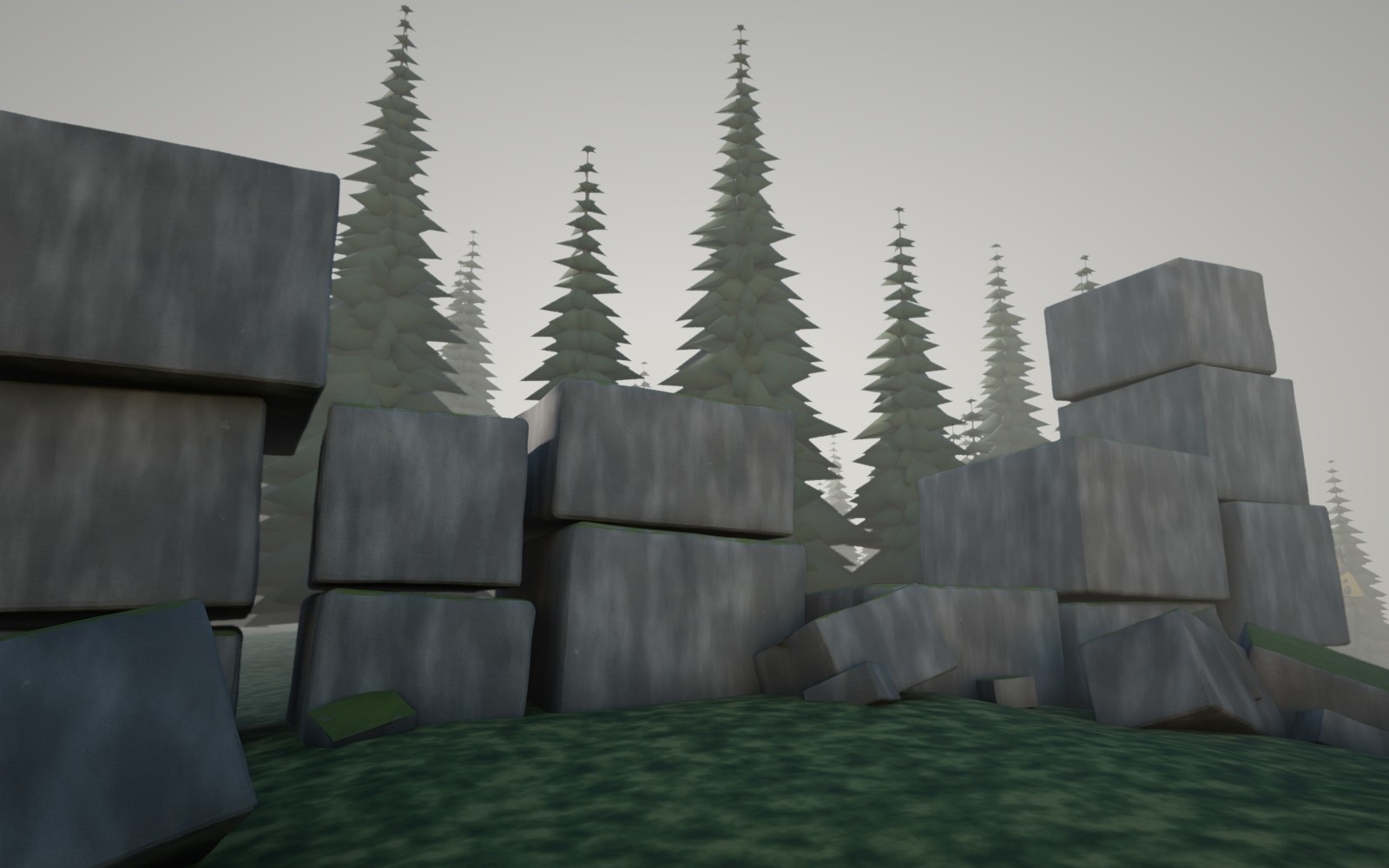
3D render of giant jointed granite blocks on a forested ridge in Gornaya Shoria, Siberia, in morning mist

3D render by Hunters to Kings, not a photograph. No good freely licensed photo of the site was available.

Myth vs. EvidenceGornaya Shoria, SiberiaViral since 2014

Giant blocks in Siberia: built or natural?

On Mount Kuylyum, 1,203 metres up in the forests of southern Siberia, stand walls of colossal granite blocks. Since 2013–14, Russian articles and videos have called them a "Siberian Stonehenge" bigger than Baalbek, the work of a lost civilisation.

The evidence

Geologists who mapped the area in the 1990s classed the blocks as natural ridges shaped by erosion. Granite cracks along straight lines called joints as it cools and as the rock above it wears away. Water and frost then widen the cracks, leaving stacked, wall-like blocks. No tool marks, quarries or settlements have been found, and no peer-reviewed study argues they are man-made.

Our verdict: natural

Almost certainly the work of geology. But the photos are stunning, and they are a great lesson in how nature can fool the eye.

Sources

Back to stories

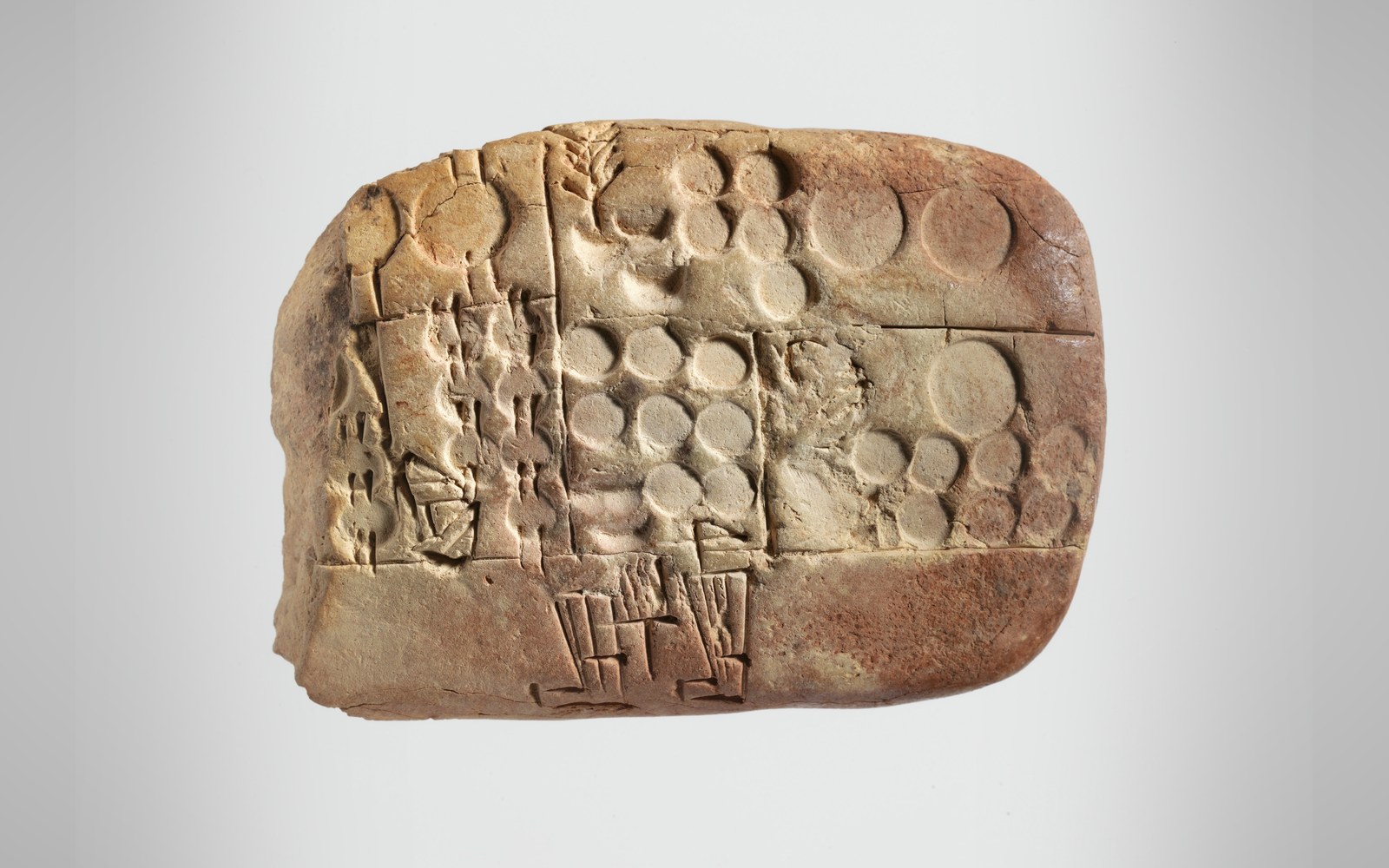
Photo of a real proto-cuneiform clay tablet from Uruk, c. 3100–2900 BCE, recording barley and emmer, with round number signs and pictographs

Photo: The Metropolitan Museum of Art, 1988.433.2, Open Access, CC0

Tablet TalkUruk, Iraqc. 3300 BCE

Writing was invented for barley, not poetry

The oldest writing in the world was not a prayer, a poem or a love letter. It was accounting. In the city of Uruk, around 3300 BCE, temple managers pressed signs into wet clay to keep track of barley, beer, sheep and workers' rations.

1 sheep, dead · received by [official] · month X, year Y of king ZThis is what most of the 500,000 surviving cuneiform tablets look like.

Only centuries later did scribes use the same signs for royal boasts, then for law, and finally for literature. The famous myths of Sumer were mostly written down around 2100–1700 BCE, often as school exercises.

A law from 2100 BCE

tukum-bi lu₂ sag-gig₂ ab-gaz lu₂-bi i₃-gaz-e-dam"If a man commits a killing, that man shall be killed."

That is the first clause of the Laws of Ur-Namma, about 300 years older than Hammurabi. Most other crimes in it were punished with fines in silver, not violence.

Back to stories

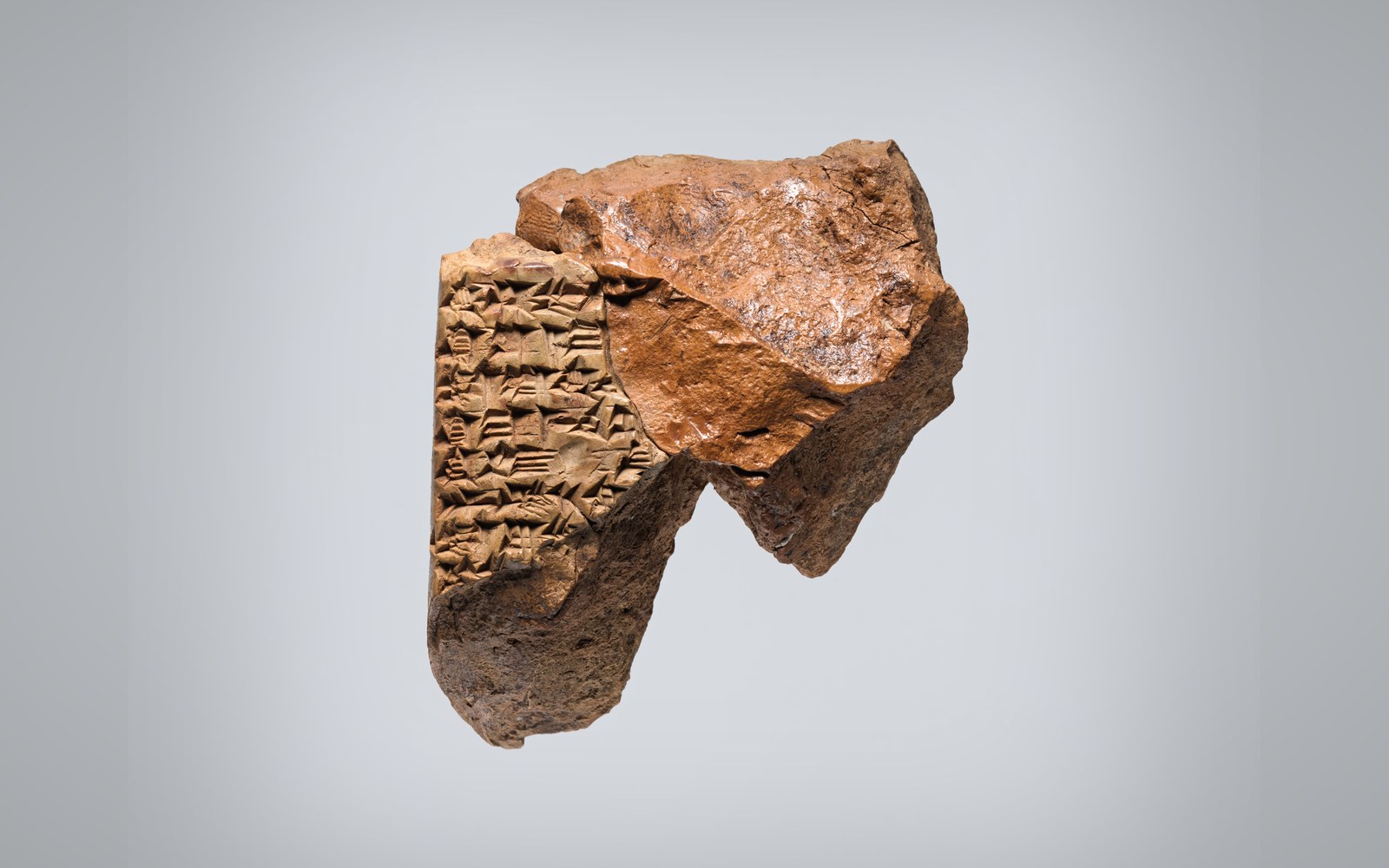
Photo of a broken clay tablet fragment inscribed with the Atra-hasis flood myth, 7th–6th century BCE

Photo: The Metropolitan Museum of Art, 86.11.378a, Open Access, CC0

Myth vs. EvidenceSumerc. 2500–1700 BCE

What the tablets really say about the Anunnaki

Search "Sumerian tablets" online and you'll find videos claiming the Anunnaki were aliens who came to Earth to mine gold and created humans as slaves. It's a gripping story. It just isn't in the tablets.

The claim

The alien theory comes from Zecharia Sitchin's 1976 book The 12th Planet. Sitchin was not a specialist in ancient Mesopotamian languages, and his translations don't match the texts.

The evidence

In Sumerian texts, "Anunna" or "Anunnaki" is simply a collective name for the great gods, roughly "offspring of An", the sky god. They appear in hymns and myths as a divine council, much like the Olympians in Greek myth. No tablet mentions a twelfth planet, spaceships or visitors mining gold.

What the texts do show is just as interesting: gods who argue, get drunk, flood the world in anger and then regret it. One myth has the gods shaping humans from clay so that people would do the hard work of digging canals.

Our verdict: myth

The real story is human: people imagining gods who looked a lot like their own kings.

Back to stories

Photo credits

Who took the pictures

Every photo on this site is freely licensed. Photos from Wikimedia Commons have been cropped; under their CC BY-SA licences, our cropped versions are shared under the same licence.